.svg)



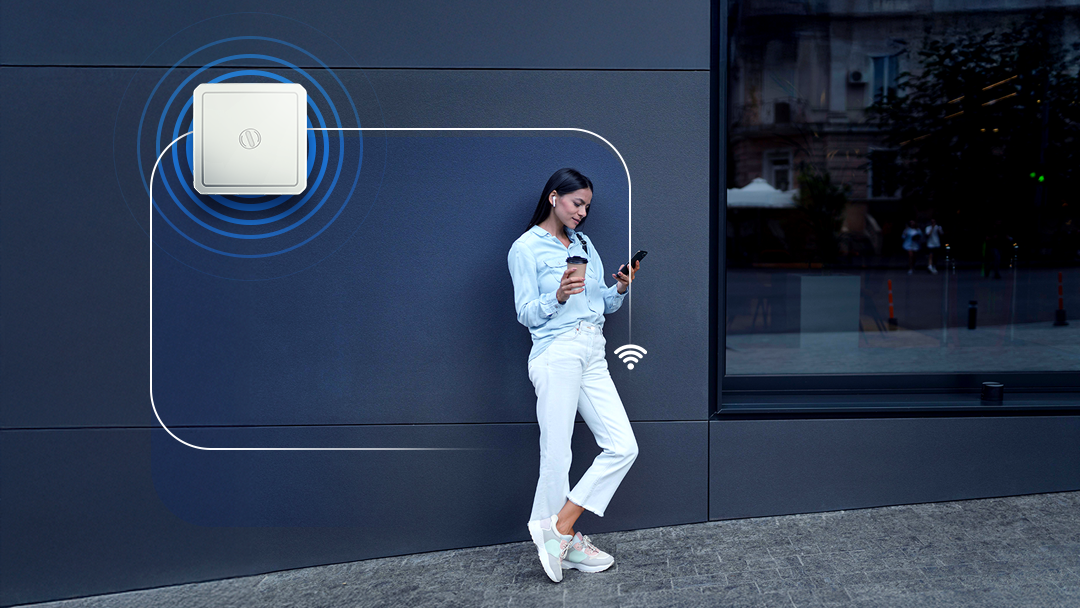
Enhancing Your Outdoor WiFi Experience
In today’s connected world, strong WiFi coverage is essential both indoors and outdoors. Whether you're streaming music by the pool, working from a garden office, or hosting an outdoor movie night, reliable outdoor WiFi makes all the difference. This guide explains how to enhance outdoor Wi-Fi performance using the right equipment and best-practice setup strategies.
Why Outdoor WiFi matters?
Imagine being able to enjoy high-speed internet anywhere on your property. Outdoor WiFi is not just about convenience; it's about extending the functionality of your digital life beyond the walls of your home or business. It allows for seamless streaming, gaming, and connectivity for smart home devices in outdoor spaces.
Challenges of Outdoor WiFi
- Distance and Coverage: WiFi signals weaken with distance. Ensuring coverage across large areas can be challenging.
- Interference: Physical barriers like walls and trees can obstruct signals.
- Weather Conditions: Outdoor equipment must withstand elements like rain, wind, and extreme temperatures.
What equipment do you need to improve outdoor WiFi performance?
To improve your outdoor WiFi, you will need the right tools. Here's a look at some key equipment options:
WiFi 6 Outdoor Access Points
An outdoor WiFi access point (AP) is designed to extend your network's coverage to outdoor areas. These devices are robust, weatherproof, and built to withstand harsh outdoor conditions, ensuring consistent and reliable performance.
Designed for high-density outdoor environments, these APs are ideal for large areas such as gardens, campuses, hospitality venues, industrial sites, or commercial outdoor spaces. They provide long-range, stable coverage tailored for demanding deployments.
Antennas and Aerials
Enhance signal strength and reach by adding antenna
- Outdoor Wi-Fi Antennas: Boost signal coverage in wide or obstructed environments.
- Directional Aerials: Focus coverage toward specific areas like patios, gardens, and pools.
How can you ensure proper installation and configuration of outdoor APs?
Proper installation is key to maximizing your outdoor WiFi. Here are some tips:
Positioning Your Equipment
- Height Matters: Mount your access point or antenna high up to minimize obstructions and extend coverage.
- Central Location: Place your device in a central location relative to the area you want to cover.
- Avoid Barriers: Keep equipment away from thick walls or metallic surfaces that might block signals.
Weatherproofing
- Ensure all outdoor equipment is properly weatherproofed.
- Select devices with strong IP ratings such as IP67 for better durability.
- Ensure cable inlets and PoE injectors are properly sealed.
Powering Outdoor APs
Most outdoor APs support Power over Ethernet (PoE),simplifying installation by using a single cable for both power and network connectivity.
How can you optimize outdoor WiFi network for better performance?
Once your equipment is installed, it's time to optimize your network for the best performance.
Security Measures
Outdoor networks can be more vulnerable to unauthorized access. Ensure your network is secure by:
- Using strong, unique passwords.
- Enabling WPA3 encryption for the best security.
- Regularly updating your firmware to protect against vulnerabilities.
Signal Strength and Interference
- Channel Selection: Use a WiFi analyzer app to identify the least congested channel and adjust your settings accordingly.
- Reduce Interference: Keep electronic devices and metal objects away from your WiFi equipment.
Regular Maintenance
Check your equipment regularly to ensure it's clean and free from obstructions. Keep firmware updated to improve performance and security.
What are the real-world applications and benefits of outdoor WiFi networks?
Outdoor Entertainment
For outdoor parties or movie nights, a strong WiFi connection ensures uninterrupted streaming and connectivity.
Remote Work
With more people working from home, a garden office with reliable outdoor WiFi can improve productivity and provide a change of scenery.
Business Use
Businesses with outdoor seating or amenities can greatly benefit from providing customers with reliable WiFi access, enhancing the customer experience.
Conclusion
Improving outdoor Wi-Fi requires choosing the right equipment and setting it up correctly. High-quality IP67-rated outdoor access points deliver strong, reliable connectivity across your outdoor environment. With the right placement, optimization, and ongoing maintenance, you can enjoy seamless performance across all your open spaces.






.svg)