



Subscribe to Our Updates
Join our community and be the first to receive exclusive insights
You are subscribed now!


.svg)

Products
Solutions
Resources
Software Platforms
WiFi
Oman Vision 2040 calls for a resilient digital foundation to diversify the economy, expand e-government services, strengthen broadband access, and enable smart, sustainable cities. With nationwide 5G expansion, increasing IoT adoption across logistics and ports, and digital transformation accelerating in education, tourism, and healthcare, high-performance and centrally managed networking has become critical infrastructure.

Reliable performance in arid, high-temperature, and dust-prone conditions

Scalable for government and enterprise projects across Muscat, Duqm, Salalah, and emerging economic zones

Optimized for high-demand environments including universities, hotels & enterprise campuses

Designed to support the nation’s digital transformation goals, our Wifi 6 Access Points and Network Switches deliver future-ready, scalable connectivity for modern enterprises

Accelerate your network rollout with our plug-and-play, bundled Wifi solutions designed for easy setup, cloud-managed configuration for fast, hassle-free activation.

Ensure flawless connectivity with specialist-led network design for high-density environments and expert deployment by certified professionals for future-proof scale

Our certified local teams and trusted channel partners ensure rapid rollouts, on-ground support, and regulatory compliance for uninterrupted network operations

Our Wifi network solutions are deployed across government agencies, service providers, and Fortune 500 enterprises, ensuring scalable and mission-critical performance worldwide

Our Wifi Access Points support OpenWiFi, OpenRoaming, and vendor-neutral APIs enabling seamless onboarding and effortless integration across multi-vendor networks.
Cloud-managed WiFi 6 architecture with intelligent performance optimization

Dual-band MU-MIMO, OFDMA for ultra-fast speeds and low latency
Supports high concurrent clients — perfect for dense venues
High-gain antennas and reliable performance in challenging environments
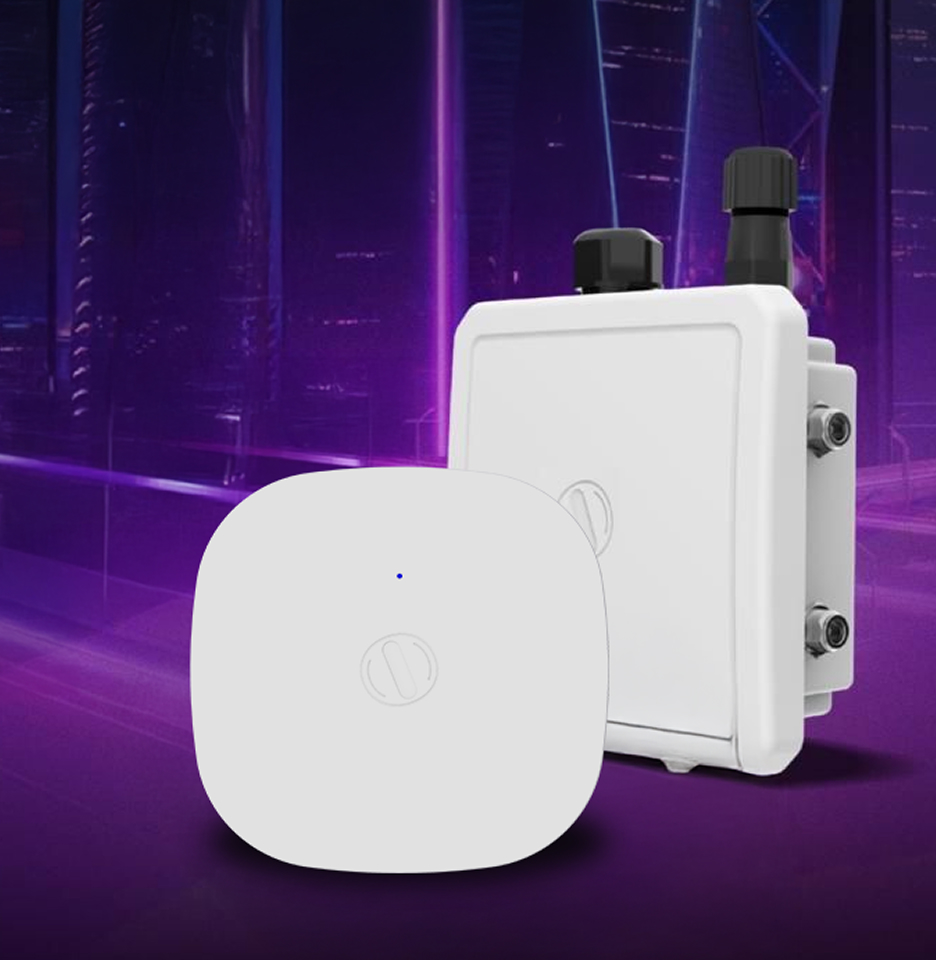
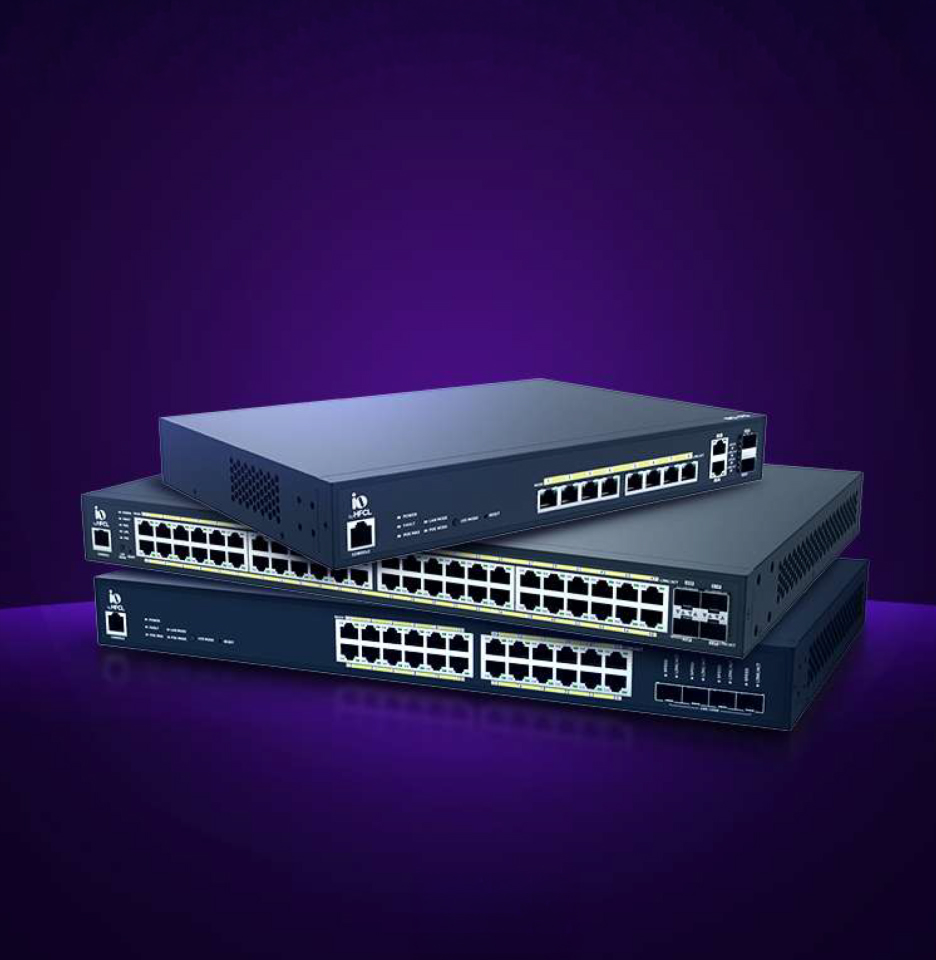
8/24/48-port models with multi-gigabit uplinks
L2/L3 PoE+ managed switches for campuses, offices, and data centers
Flexible cloud or on-premises deployment for secure, scalable foundations
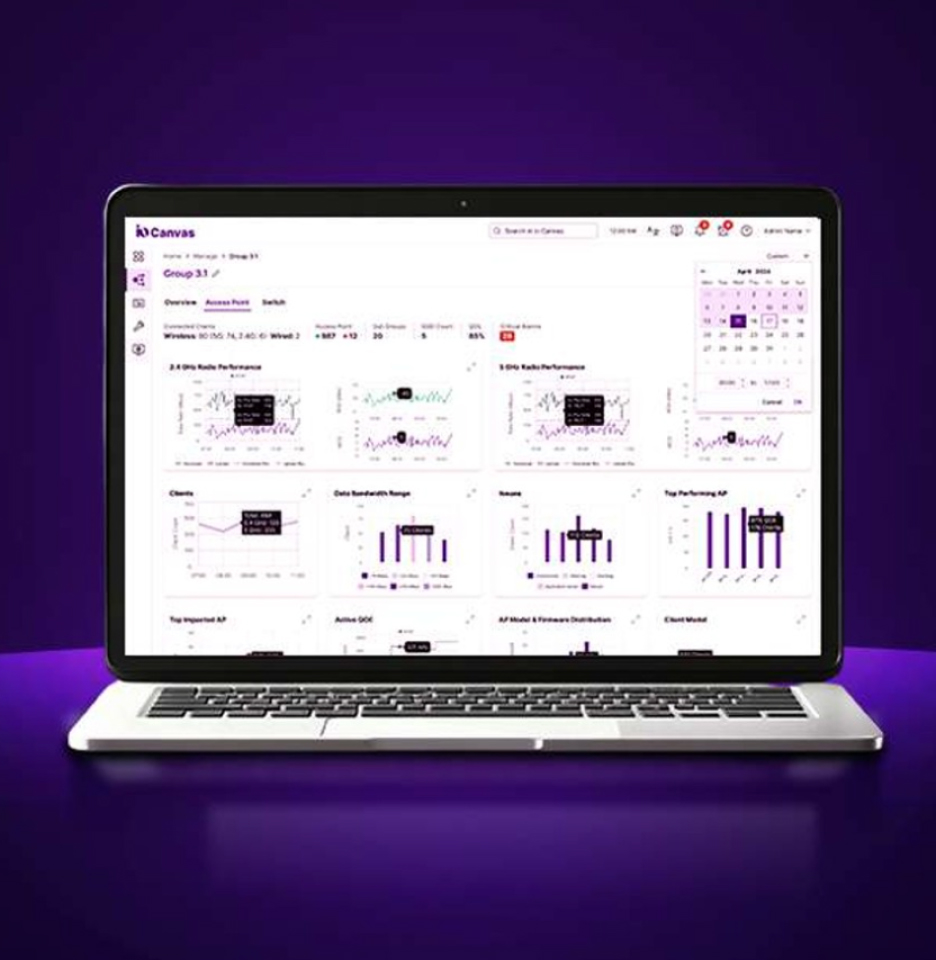
Centralized control for APs, switches (public/private cloud or on-prem)
Predictive analytics, anomaly detection, zero-touch provisioning
Automated insights to simplify operations and support rapid scaling
P2P/P2MP high-capacity links
Fiber-like wireless connectivity for last-mile and remote rural sites
AI-driven RF optimization for stable links across Oman's terrain

Enable digital learning in schools, universities, and training centers with high-density WiFi for e-learning platforms, smart classrooms, and research under Vision 2040's education modernization.

Elevate guest experiences in hotels, resorts, heritage sites, and malls with reliable, high-speed WiFi for smart tourism, digital visitor services, and seamless connectivity across Oman's growing hospitality sector.

Secure, scalable networks for e-government services (Tahawul), smart cities, public spaces, and municipal projects, supporting 80% service digitization and nationwide broadband goals.

Secure, compliant connectivity for branches, data centers, and financial services with low-latency performance with strong security for Oman's diversifying economy and IoT/logistics growth.
Collaborating with regional leaders for end-to-end delivery
Phone: +966-138874444 / +966-532072333
Email: consult@eict-technology.com
Oman’s growth requires infrastructure that is secure, scalable, and ready for future expansion.
IO by HFCL enables
Support for 5G and broadband expansion initiatives
Reliable performance in Oman’s climate conditions
AI-driven operational simplicity
Scalable design for long-term national and enterprise projects
Ready to strengthen your network infrastructure?

Find answers to key questions about our Wi-Fi Products to help you choose the right solution for your network
A wireless access point (WAP) is a networking device that connects to your router or network switch via a wired Ethernet connection to create a wireless local area network in an office or a large building. Unlike repeaters or extenders, which enhance existing signals, access points create new coverage zones, ensuring more stable connectivity across larger areas. An access point extends your Wifi by taking the wired internet connection from your main router and converting it into a new wireless signal. In offices or hotels, multiple access points ensure users stay connected as they move around.
To mitigate Wifi dead spots in large UK offices using HFCL's wireless access points, conduct a site survey to identify areas with low signal strength or interference sources. Strategically place multiple HFCL wifi access points to ensure overlapping coverage zones for roaming. Utilize PoE switches for flexible placement and centralized power management. HFCL’s AI-powered IO Canvas platform enables intelligent network management, leveraging AI-driven insights to optimize wireless performance, including channel allocation, load distribution, and signal strength, ensuring consistent, high-speed connectivity across every corner of your office.
The core benefits of HFCL’s end-to-end networking solution for a business or enterprise include seamless connectivity, centralized management, and superior scalability across every layer of the network, from access to core. By integrating wireless access points, network switches, UBRs, and the IO Canvas management platform, HFCL delivers a unified ecosystem that simplifies deployment and operations. Businesses benefit from enhanced network visibility, AI-driven optimization, robust security, and lower total cost of ownership, ensuring reliable, high-performance connectivity that grows with evolving enterprise needs.
L1, L2, and L3 switches refer to network switches that operate at different layers of the OSI (Open Systems Interconnection) model.
L1 Switches (Layer 1) work at the physical layer, mainly transmitting electrical signals. They are multi-port repeaters or hubs that broadcast data to all connected devices.
L2 Switches (Layer 2 ) are the most common network switches. They operate using MAC (Media Access Control) addresses to forward data only to the intended recipient device rather than broadcasting to everyone.
L3 Switches (Layer 3) work at the network layer, routing traffic using IP addresses, combining switching speed with routing intelligence for larger enterprise networks.